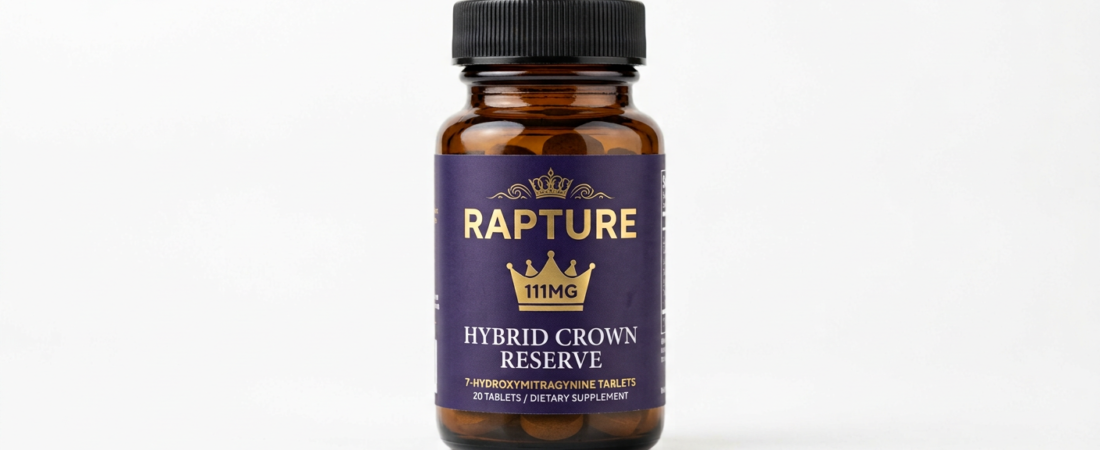
Kratom is legal federally in the United States, and legal in the majority of states — but “legal” doesn’t mean “legal everywhere.” State bans, local ordinances, and age restrictions all apply. Here’s the current landscape.
The Big Picture
Kratom (Mitragyna speciosa) is not a controlled substance under federal law, and FDA has not banned it. However, state and local governments can and do act independently — and several have. Always confirm the law in your exact location, including your city and county, before ordering.
States Where Kratom Is Banned or Restricted
As of 2026, kratom products are prohibited or significantly restricted in states including Alabama, Arkansas, Indiana, Rhode Island, Vermont, Wisconsin, and portions of others. Additional states regulate kratom with age limits (21+) and labeling rules.
This list changes — and some bans have been challenged in court. We update this guide regularly, but the definitive check is your state legislature’s current text.
The AKA Model Bill
The American Kratom Association’s Kratom Consumer Protection Act (KCPA) is the model legislation most kratom-advocacy efforts support: it legalizes kratom for adults 21+, while requiring lab testing, good manufacturing practices, and accurate labels. States that adopt KCPA-style rules generally allow kratom sales with standards like the ones we follow at Rapture — GMP manufacturing and published COAs.
What This Means for Your Rapture Order
We ship everywhere kratom is legal and do not ship to restricted locations. If an order can’t be fulfilled because of your address, it’s cancelled automatically and refunded in full — zero hassle. Check the FAQ library or ask us before ordering if you’re unsure.
What About 7-Hydroxymitragynine Specifically?
Some states have begun writing rules specific to 7-OH products, often mirroring their kratom stance. Since 7-OH is a kratom alkaloid, most jurisdictions treat it under the same framework — but check local law for the most current treatment.
Kratom Advocacy: Why It Matters
Bans are usually driven by misinformation rather than evidence. Organizations like the AKA publish research, promote the KCPA, and push for sensible regulation. If you support education over prohibition, consider following their updates — informed voters are the reason several states have rejected bad-faith bills.
Do Your Own Checks
- Check your state’s health department website.
- Check your county and city ordinances — they can be stricter than state law.
- Bookmark this page; we keep it current as part of our education hub.
Ready to order? Our full catalog ships legally compliant, and the FAQs cover every remaining question.