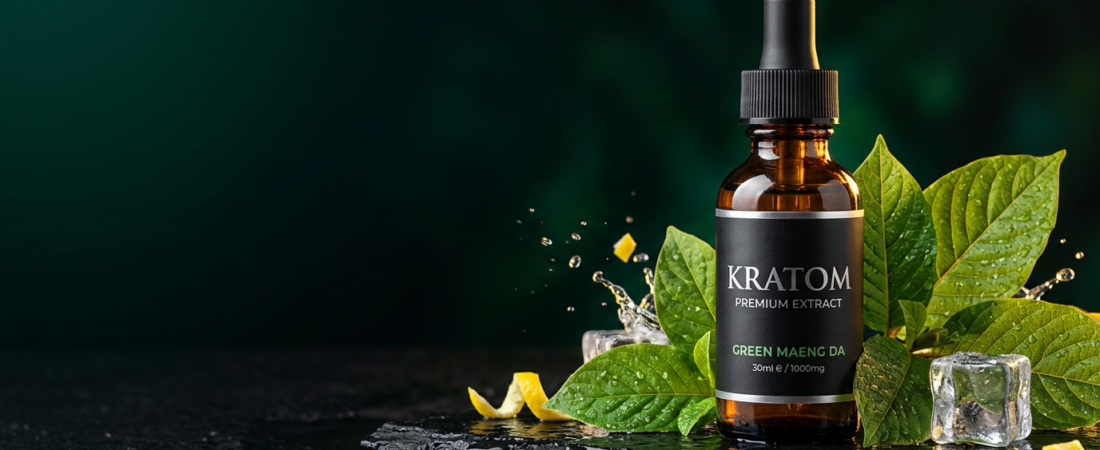
Every Rapture can begins in a Southeast Asian kratom garden. Understanding the journey from leaf to can explains why some products cost $5 and others $45 — and why certification and lab testing are worth paying for.
Growing
Mitragyna speciosa is a rainforest tree that prefers hot, humid climates with consistent rainfall. Farmers cultivate it in shaded groves, letting trees mature for years before harvest. Older trees with mature leaves are prized for higher alkaloid content.
Harvesting
Workers hand-pick mature leaves, inspect them for quality, and begin drying immediately. The drying method — indoor, outdoor, or fermented — affects the leaf’s alkaloid profile and, traditionally, its color classification (red, green, white). See strains explained.
Processing Into Extract
For modern products, dried leaves move to extraction. The alkaloid fraction is isolated using solvents, then purified and dried into a standardized powder. That powder is where 7-OH concentrates live.
Blending and Canning
Extract is blended into flavored sparkling water at a measured MIT loading, then sealed into 12oz aluminium cans. Aluminium isn’t decoration — light degrades alkaloids, and a sealed can blocks it completely, protecting potency until it reaches you. That’s why we seal every batch in aluminium.
Third-Party Testing
Before any batch ships, independent ISO-certified labs verify potency and purity: alkaloid content, heavy metals, microbes, residual solvents. Results are published as COAs — learn to read them in our lab report guide.
Why Process Matters to Buyers
Clean processing costs money, and it shows in the final product. When you buy cheap kratom, you’re guessing what’s in it. When you buy from a brand that publishes COAs and manufactures under GMP, you’re buying verified chemistry. Browse our lab-tested cans or start with the FAQs.