Long before kratom appeared in American smoke shops, it was a daily botanical in Southeast Asia. The story of Mitragyna speciosa is a journey from rainforest villages to ISO-certified labs — and it explains why modern products like Rapture’s seltzers look nothing like the leaf your grandparents might have seen.
The Traditional Roots
In Thailand, Malaysia, and Indonesia, workers in agriculture and fishing have chewed kratom leaves for generations to sustain energy through long, physical days. Leaves were also brewed into tea. In some communities, kratom was a social botanical; in others, it was simply part of daily life and labor.
From Leaf to Laboratory
Western researchers documented kratom in the 19th century, but it wasn’t until the early 2000s that mitragynine and 7-hydroxymitragynine were studied in earnest. As kratom became popular in the US and Europe, a full supply chain emerged: growers, exporters, labs, and manufacturers.
The Modern Product Revolution
The last decade brought the biggest change — extraction. Concentrating alkaloids into standardized formats created entirely new categories:
- Enhanced powder with added extract
- Extract capsules with measurable alkaloids
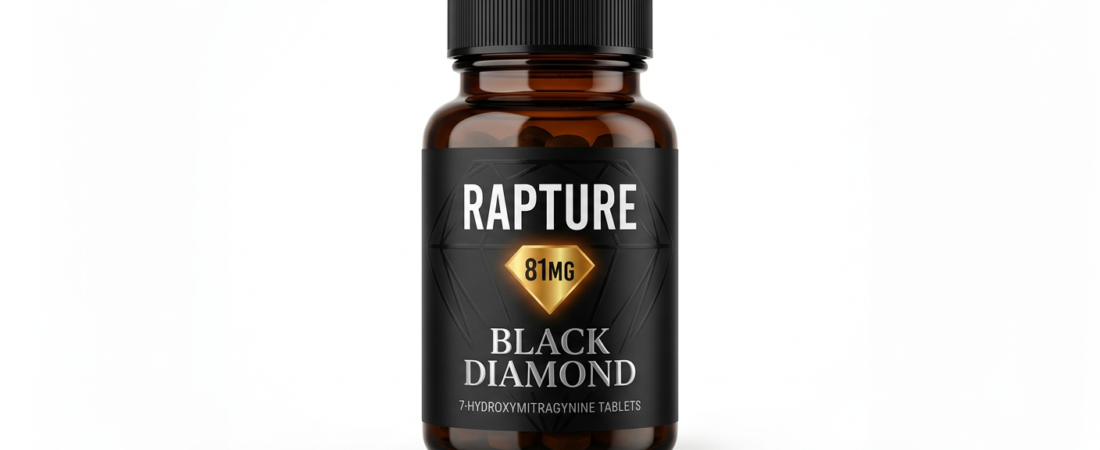
- Precision cans like Rapture 125mg Blueberry Slush Kratom Seltzer
- kratom seltzers like Rapture kratom seltzer
Quality Became the Selling Point
As the market grew, so did the bad actors — underdosed products, unlisted fillers, and fake lab reports. That’s why GMP certification and published lab results are now the gold standard, and why Rapture tests every batch with third-party labs.
Why This History Matters When You Shop
Every time you buy kratom, you’re voting for a supply chain. Brands that publish COAs, use GMP facilities, and dose accurately are the ones modernizing a tradition honestly. When you’re ready, explore our lab-tested lineup — and read the FAQs if you’re new.