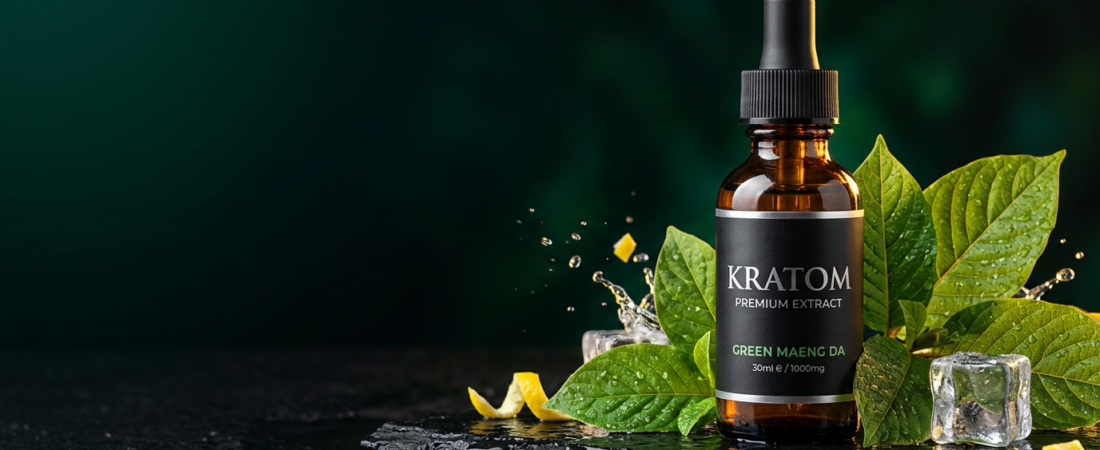
The label is the contract between you and the brand. Sixty seconds of reading can save you from underdosed products, mystery ingredients, and marketing fiction. Here’s the check.
The 6 Things Every Good Label Has
- Exact alkaloid content. “100mg 7-Hydroxymitragynine per can” — exact numbers, not “strong.”
- Serving size and count. “1 can = 1 serving; 10 cans per bottle.”
- Batch/lot number. The link to a COA. No batch number, no real lab verification.
- Complete ingredient list. Binders and flavoring named, not “proprietary blend.”
- Manufacturer identity. A real company and address, not a PO box.
- Age warning. “21+” — and ideally a usage warning.
Our Label, Line by Line
Take the 100mg MIT seltzer: RAPTURE wordmark, MIT strength badge, flavor name, “Mitragyna speciosa leaf extract” spelled in full, 12oz volume, batch number, and 21+ language — all with a matching COA.
Red Flags That Should End the Sale
- “5x strength, 2000mg” with no alkaloid breakdown — that’s leaf weight, not potency.
- No batch number anywhere.
- “Kratom enhanced with [chemical compound]” — walk away.
- No manufacturer or contact info.
What “2000mg Kratom” Actually Means
That number is usually the leaf weight before extraction — and a 100mg MIT can contains more active alkaloid than grams of leaf. Don’t compare raw weights; compare alkaloid numbers. Our pricing guide shows how to shop per-milligram.
Labels You Can Verify
A label is only as good as the lab that backs it. Every Rapture product carries its batch number and published COA. Questions? The FAQ library covers everything else.