Kratom regulation moves fast, and 2026 has been a busy year. This is the honest state of play — what changed, what’s pending, and how to stay informed without doom-scrolling.
The Federal Picture
Kratom remains legal at the federal level; the FDA continues to express concerns but has not scheduled the plant. Congressional attention remains focused on the delta-8 and synthetic cannabinoid debates, with kratom legislation largely a state-level matter. The state-by-state guide remains your primary reference.
The State Level: The KCPA Momentum
The biggest trend is adoption of the Kratom Consumer Protection Act (KCPA) framework — legalization with guardrails: 21+ age limits, GMP requirements, labeling standards, and lab testing. States aligning with this model are generally good news for consumers: it keeps kratom legal while pushing out dirty products. The standards KCPA demands are ones we already follow — GMP-certified manufacturing and published third-party COAs.
7-OH-Specific Rules
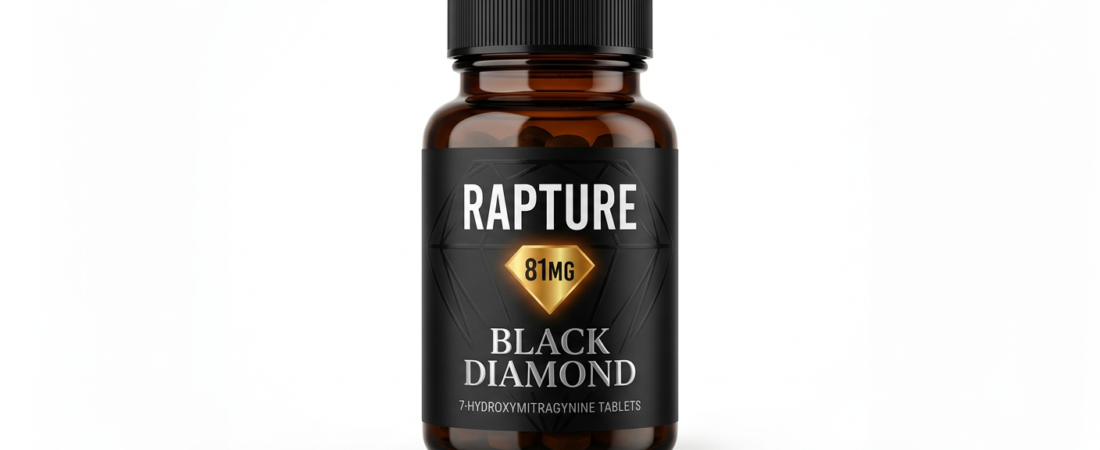
The fastest-moving area right now is 7-hydroxymitragynine-specific language. A few states have proposed stricter rules for concentrated alkaloid products, and more will follow. Since 7-OH is the alkaloid at the heart of our catalog, we track these bills closely and adjust shipping accordingly.
What This Means for Your Orders
- We ship only to legal locations — restricted addresses are blocked automatically and refunded.
- Our products meet or exceed KCPA standards in every state where we sell.
- This guide gets updated as bills change; the FAQs carry the current shipping list.
How to Stay Informed
The American Kratom Association publishes legislative trackers, and your state legislature’s site posts bill status in real time. Set an alert for “kratom” in your state and you’ll know before the vendors do.
The Buyer’s Takeaway
Regulation is a feature, not a bug — clean, tested, honestly labeled products are exactly what sensible rules produce. That’s the standard we build to. Browse the catalog and the education hub with confidence.