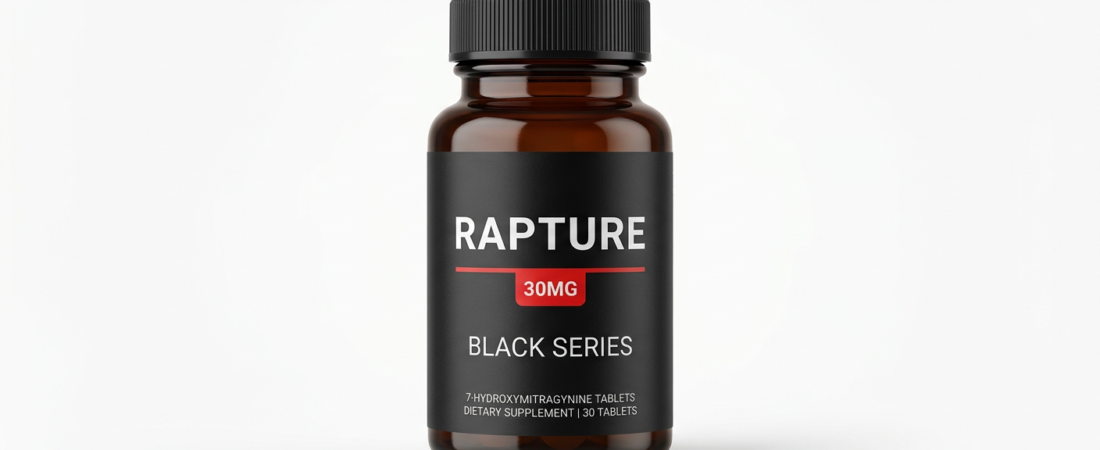
We can’t give medical advice — but we can tell you exactly why asking your doctor is the right move, and what information to bring to that conversation. This guide is built for the moment before the appointment.
Why the Conversation Matters
Kratom’s alkaloids act on opioid receptors. Medications that touch the same systems — pain relief, mood, blood pressure, sleep — can interact in ways neither you nor a symptom search can predict. That’s not scaremongering; it’s pharmacology. The alkaloid science is public and well documented.
Drug Classes That Deserve Special Attention
| Category | Examples | Why caution |
|---|---|---|
| CNS depressants | Benzodiazepines, sleep aids | Stacked sedation risk |
| Opioid pain meds | Hydrocodone, tramadol, etc. | Overlapping receptor activity |
| Antidepressants | SSRIs, SNRIs, MAOIs | Serotonin syndrome risk |
| Blood pressure meds | Beta-blockers, calcium blockers | Kratom can affect BP |
| Anticoagulants | Warfarin, etc. | Metabolic interactions |
How to Bring It Up
Doctors appreciate directness: “I use a botanical product called kratom — approximately [dose] [frequency]. Can you review it against my medications?” Avoid hiding details; serving size and frequency are the data points that matter.
What to Tell Them
- Exact product and alkaloid content (e.g., “100mg kratom seltzers”).
- Serving size and how often you use it.
- Any other supplements or over-the-counter products.
If Your Doctor Says No
Respect it. There are plenty of reasons to skip kratom — medical history, interaction risk, or simply not needing it. If the answer is no, the answer is no. If the answer is “let me research,” offer them our lab understanding and published alkaloid data.
The Rapture Position
We publish honest responsible-use guidance, enforce 21+, and never claim medical benefit. If a health condition makes kratom a poor fit, we’d rather you didn’t buy it. Browse the FAQs, talk to your doctor, and decide with real information.