Kratom’s power isn’t one compound — it’s a team. The leaves of Mitragyna speciosa contain dozens of alkaloids, and the interplay between them defines the product you feel. Here’s a practical tour of the lineup.
The Big Two
Mitragynine is the most plentiful alkaloid, typically 1–2% of dried leaf. 7-Hydroxymitragynine (7-OH) is present in trace amounts naturally but is far more potent per gram. We compare them in detail in mitragynine vs 7-OH.
The Supporting Cast
- Speciogynine and Speciociliatine — the two next most abundant alkaloids; both interact with opioid receptors.
- Paynantheine — a smooth-muscle relaxant that contributes to kratom’s traditional profile.
- Mitraphylline and Isomitraphylline — oxindole alkaloids studied for their own bioactivity.
- Ajmalicine — also found in Rauwolfia, it’s a minor but interesting component.
Why the Minor Alkaloids Matter
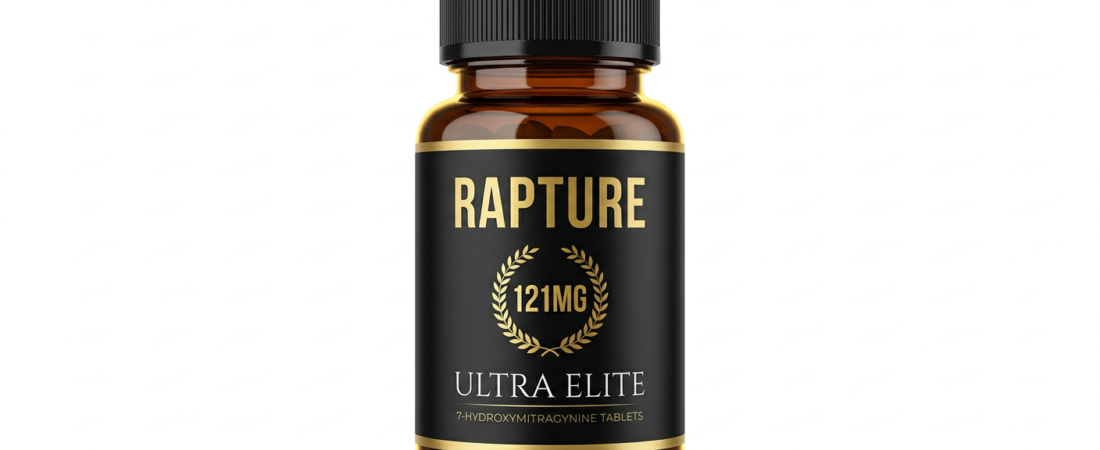
This is the entourage effect in action: the whole spectrum may produce a different experience than any single alkaloid alone. It’s why some users prefer full-spectrum products, and why Rapture’s 175mg Berry Blast keeps a broader alkaloid profile.
What to Look for on a Lab Report
A real COA lists more than one alkaloid. Look for mitragynine, 7-hydroxymitragynine, speciogynine, and paynantheine at minimum. Our lab report guide shows you how to read one in five minutes.
Alkaloids and Dosing
Because minor alkaloids shift the experience, the number on the label tells only part of the story. Start with a low dose, track your response, and adjust gradually. Our dosing guide walks you through it.