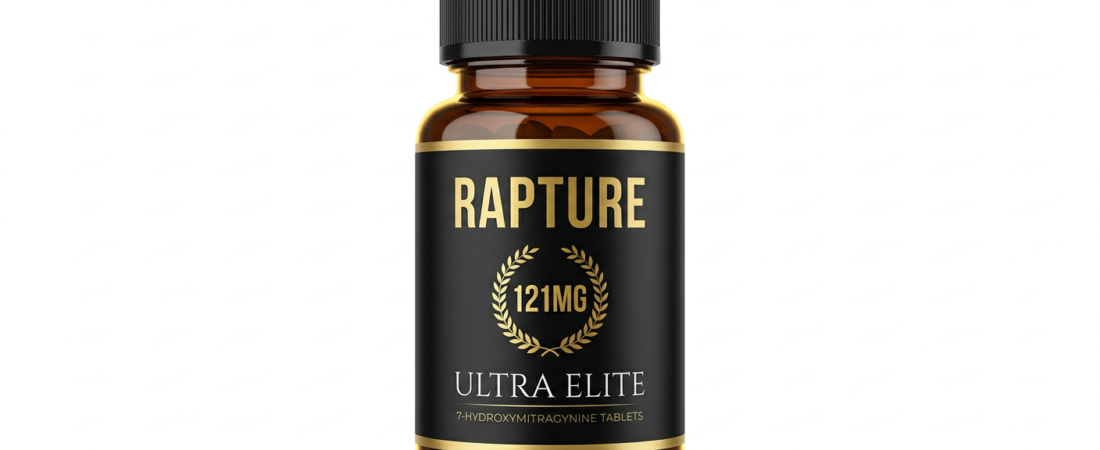
Users often frame low-dose kratom as an “alternative energy drink.” It’s a fair comparison to explore — and the differences matter more than the similarities.
The Basic Comparison
| Energy drink | Low-dose kratom/7-OH | |
|---|---|---|
| Engine | Caffeine + sugar + B-vitamins | Alkaloid activity on opioid receptors |
| Feel | Jittery alertness | Calm, focused lift |
| Crash | Common, sometimes harsh | Typically gentler, dose-dependent |
| Duration | 3–6 hours | 3–6 hours (cans) |
| Habit risk | Low | Real — see responsible use |
The Key Difference: Feel, Not Fuel
Energy drinks crank your nervous system with caffeine. Low-dose kratom works on a different system entirely — many users describe it as settled focus, without the racing heart. That’s why some people with caffeine sensitivity prefer it.
Duration and Crash
Both last a similar window, but the descent differs: energy drink crashes are famous; kratom’s taper is typically smoother, though it depends on serving and format. Seltzers come on faster than powder or capsules — see the full comparison.
What Nobody Says About Kratom
Kratom’s alkaloids act on opioid receptors — it carries dependence potential that energy drinks don’t. There is no free lunch; the honesty is what makes Rapture’s responsible-use framework non-negotiable, and why we publish lab results rather than hype.
The Verdict
Neither is “better” — they’re different tools for different days. What we’ll say: don’t combine them. A kratom-and-energy-drink stack is stimulant stacking, and we don’t recommend it. Choose one, and keep the FAQs close.